What Is Guardianship Law and Why Is a Probate Attorney Essential?
Guardianship is one of the most important legal protections available under Florida law for individuals who are unable to make informed decisions about their personal well-being, healthcare, finances, or daily living. Whether the person is a minor child, an adult with developmental disabilities, an elderly parent suffering from dementia or Alzheimer’s disease, or someone who has become incapacitated because of illness or injury, guardianship provides a court-supervised framework designed to protect their rights, assets, and overall quality of life.
In Florida, guardianship is considered a serious legal proceeding because it may limit certain legal rights of the individual. Before appointing a guardian, the court carefully reviews medical evidence, hears testimony when necessary, and determines whether guardianship is truly appropriate. Because of the complexity of these proceedings, working with an experienced Florida guardianship attorney is essential to ensure that every legal requirement is properly met.
At Nuñez Estate Law & Title, our experienced probate and guardianship attorneys guide families throughout every stage of the guardianship process. We assist clients in filing petitions, preparing court documents, attending hearings, responding to court requirements, and helping guardians understand their ongoing legal responsibilities after appointment.
Whether you need to establish guardianship for an aging parent, protect a loved one with special needs, or obtain legal authority to care for a minor, our team provides compassionate legal guidance tailored to your family’s unique circumstances. We focus on protecting vulnerable individuals while helping families navigate the Florida Probate Court system with confidence and peace of mind.
Our attorneys handle a wide range of guardianship matters, including:
Guardianship for incapacitated adults
Guardianship for elderly family members
Guardianship of minors
Emergency Temporary Guardianship
Voluntary Guardianship
Guardian advocacy for individuals with developmental disabilities
Court-appointed guardian proceedings
Guardian reporting and ongoing court compliance
Guardianship administration
Guardianship modifications and terminations
Probate and guardianship litigation when disputes arise
Because every family situation is different, we take the time to explain your legal options and determine whether guardianship is the most appropriate solution. In many cases, alternatives such as powers of attorney, trusts, advance healthcare directives, or other estate planning tools may provide the necessary protection without requiring a full guardianship proceeding.
Our goal is to help families make informed decisions while protecting the dignity, safety, financial security, and best interests of their loved ones. From the initial consultation through final court approval and ongoing guardianship administration, Nuñez Estate Law & Title is committed to providing knowledgeable, compassionate, and results-driven legal representation throughout Miami, Miami-Dade County, and communities across the State of Florida.
What Is the Purpose of a Legal Guardianship?
A legal guardianship is a court-supervised legal process that allows a qualified individual to make important decisions on behalf of another person, known as the ward, when they are unable to manage their own affairs. In Florida, guardians are appointed to protect the ward’s financial interests, healthcare decisions, personal well-being, and overall quality of life.
At Nuñez Estate Law & Title, we help families navigate Florida guardianship proceedings while ensuring their loved ones receive the protection and legal representation they deserve.
Types of Guardianship in Florida
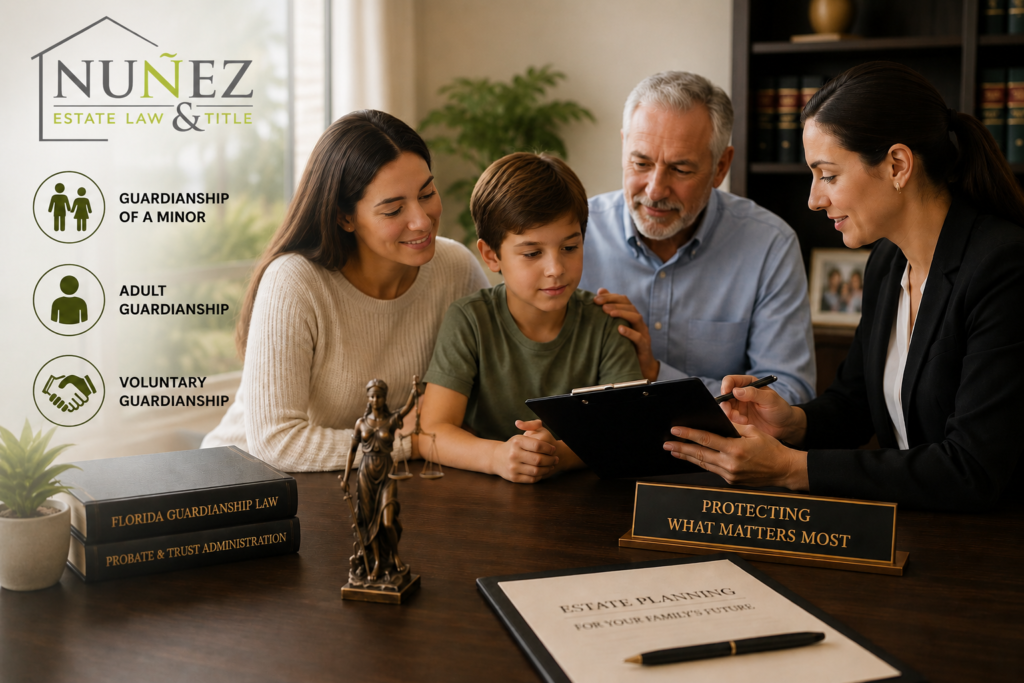
Guardianship of a Minor
A guardianship of a minor may be necessary when a child’s parents are deceased, incapacitated, or legally determined to be unfit. The court appoints a guardian to provide for the child’s personal care, education, healthcare, and financial needs until adulthood.
Adult Guardianship
An adult guardianship is established when an adult can no longer make informed decisions due to Alzheimer’s disease, dementia, cognitive impairment, developmental disabilities, mental illness, or other medical conditions. The guardian is responsible for protecting the individual’s rights while managing personal, medical, and financial matters.
Voluntary Guardianship
A voluntary guardianship allows a competent adult to request assistance in managing their financial affairs while retaining certain legal rights. This option can be beneficial for individuals experiencing physical limitations or age-related challenges who still wish to participate in important decisions.
If you are considering establishing a guardianship in Florida, consulting an experienced Florida guardianship attorney can help ensure the legal process is handled correctly and your loved one’s best interests remain protected.
How Can a Probate Attorney Help with Guardianship Cases in Florida?
Navigating a Florida guardianship case can be complex, requiring strict compliance with court procedures, legal deadlines, and fiduciary responsibilities. An experienced Florida probate and guardianship attorney helps families protect their loved ones while ensuring every step of the legal process is handled correctly.
At Nuñez Estate Law & Title, we provide comprehensive legal guidance throughout every stage of the guardianship process—from filing the initial petition to assisting guardians with their ongoing legal responsibilities.
Navigate the Florida Guardianship Petition Process
Our experienced guardianship attorneys help clients:
- Prepare and file the Guardianship Petition and all required legal documents with the appropriate Florida court.
- Coordinate evaluations and reports from the court-appointed Examining Committee and other required professionals.
- Represent clients during guardianship hearings and court proceedings.
- Ensure the legal standards for incapacity are properly established while protecting the ward’s constitutional rights and ensuring full compliance with Florida guardianship laws.
Ongoing Guardianship Administration and Compliance
Once a guardian is appointed, ongoing legal obligations continue. We help guardians remain compliant by:
- Preparing and filing Annual Guardianship Plans, Annual Reports, and Financial Accountings required by the court.
- Advising guardians on their fiduciary duties and legal responsibilities.
- Assisting with guardianship modifications when circumstances change.
- Resolving disputes involving guardians, family members, or interested parties.
- Filing petitions to restore rights or terminate a guardianship when appropriate under Florida law.
Whether you are seeking to establish a guardianship for a child, an elderly parent, or an incapacitated adult, our experienced Florida guardianship attorneys are committed to protecting your family’s interests while guiding you through every step of the legal process.
Why Guardianship Requires a Skilled Probate Attorney
Guardianship is a serious legal responsibility, and even small mistakes can delay the case or violate the ward’s rights. A probate attorney helps protect the interests of both the guardian and the ward, ensuring full legal compliance with Florida guardianship statutes.
Additionally, when families disagree about who should serve as guardian—or whether guardianship is necessary at all—having experienced legal counsel is crucial to resolving conflicts and protecting the vulnerable person’s best interests.
Get Compassionate Legal Guidance from Nuñez Estate Law & Title
At Nuñez Estate Law & Title, we represent family members and professional guardians in both contested and uncontested legal custody matters. Based in Miami, we serve clients throughout Florida with the personalized support they need to navigate legal custody confidently and legally.
Whether you are petitioning for legal custody of a loved one or responding to a court action, our team is here to help every step of the way.
FAQ Guardianship in Florida
FAQ - What is legal guardianship?
Legal guardianship is a formal, court-approved arrangement where an individual (the guardian) is given the legal authority and duty to make personal, medical, and/or financial decisions for another person (the ward) who is unable to manage their own affairs due to age, incapacity, or disability. Guardianship is designed to protect vulnerable individuals such as minors, elderly adults, or people with disabilities who cannot care for themselves fully.
FAQ - Who can serve as a guardian in Florida?
In Florida, a guardian can be a responsible adult family member, a close friend, or a professional guardian appointed by the court. The court carefully evaluates the suitability of a proposed guardian, considering factors like their relationship with the ward, background, and ability to provide appropriate care. The guardian must act in the best interest of the ward and follow court requirements.
FAQ - What is the process for establishing guardianship?
To establish guardianship in Florida, a petition must be filed with the probate court explaining why guardianship is needed. The proposed ward and interested parties are notified, and the court may appoint an independent evaluator or attorney to assess the situation. A formal hearing is held where evidence is presented, and the judge decides if guardianship is appropriate and who should serve as guardian. Once appointed, the guardian must file periodic reports to the court about the ward’s well-being and financial status.
FAQ - Are there alternatives to guardianship?
Yes, guardianship is a significant legal intervention and is considered a last resort. Alternatives include powers of attorney, where a person designates someone to make decisions on their behalf while retaining legal rights, or trusts that manage financial affairs. Supported decision-making agreements are another option, allowing individuals to receive help with decisions while maintaining their autonomy. These alternatives may be less restrictive and better suited in many cases.
FAQ - What are a guardian’s responsibilities?
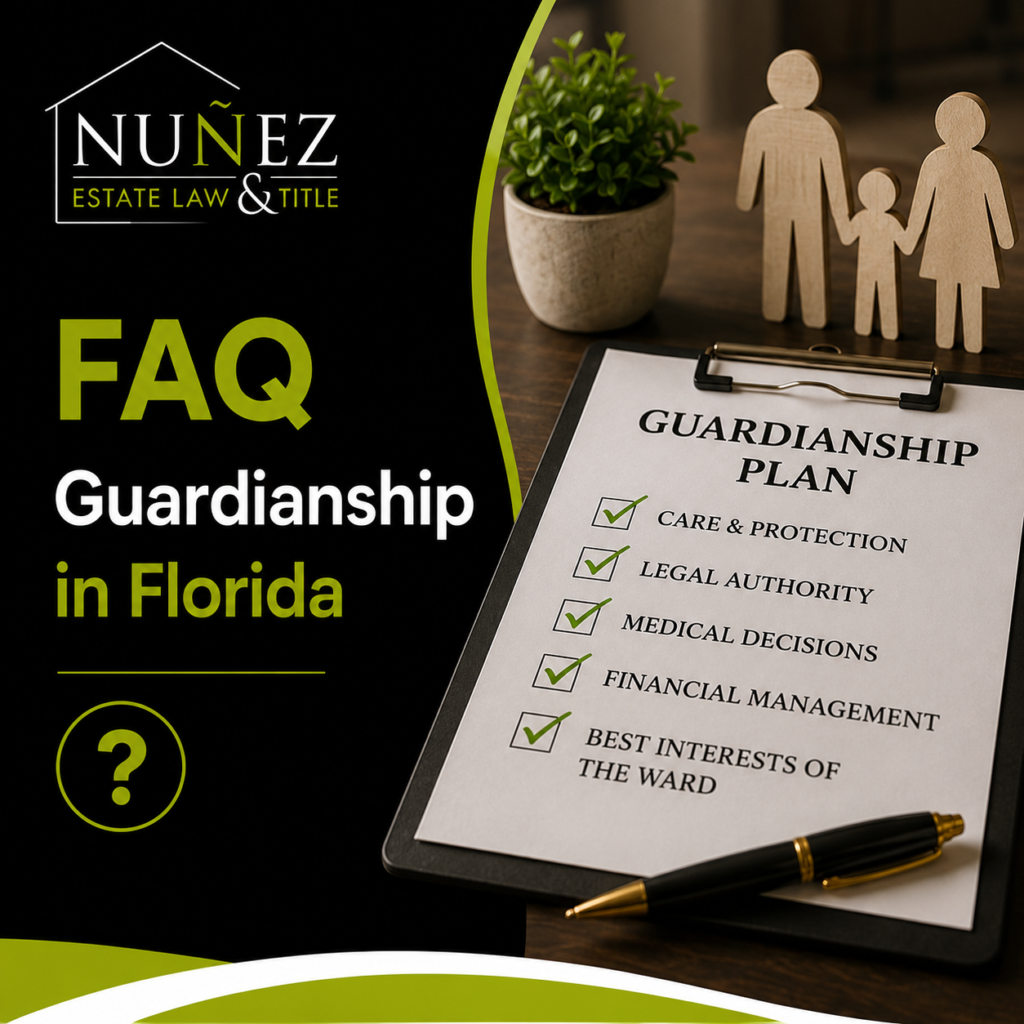
A guardian is legally obligated to act in the best interest of the ward. Responsibilities include managing the ward’s personal care, medical treatment, living arrangements, and finances. Guardians must ensure the ward’s safety, well-being, and quality of life while prudently managing assets and income. Additionally, guardians must keep detailed records and submit regular reports to the court, demonstrating transparency and accountability.